

KCCA DEPUTY ED UPDATES MPS ON PROJECTS TRANSFORMING KAMPALA, SEEKS MORE FUNDS
PUBLISHED — 7th, August 2026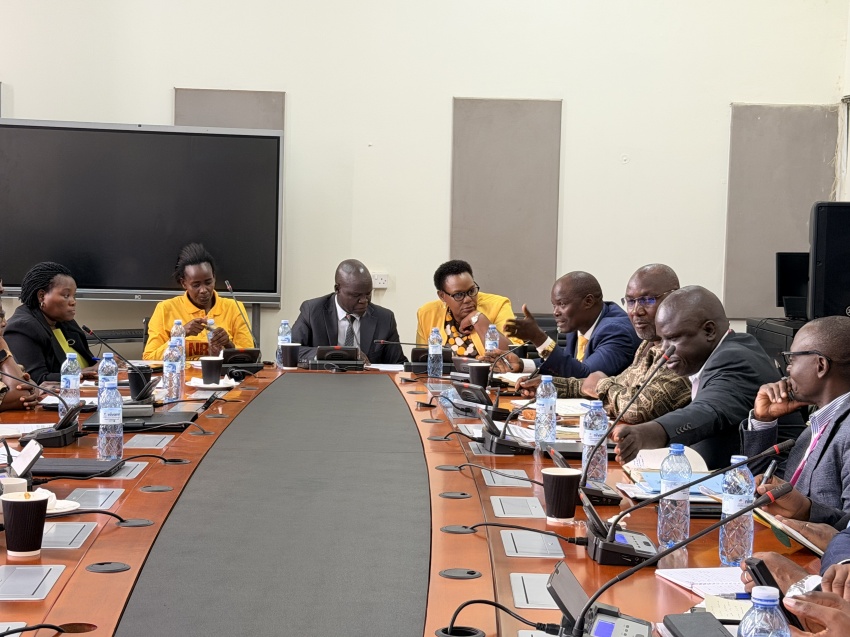
Kampala is undergoing a major transformation as investments by Kampala Capital City Authority (KCCA) continue to reshape roads, drainage systems, waste management and public services. From improved mobility and flood control to cleaner neighbourhoods, the interventions are laying the foundation for a more functional, resilient and liveable city.
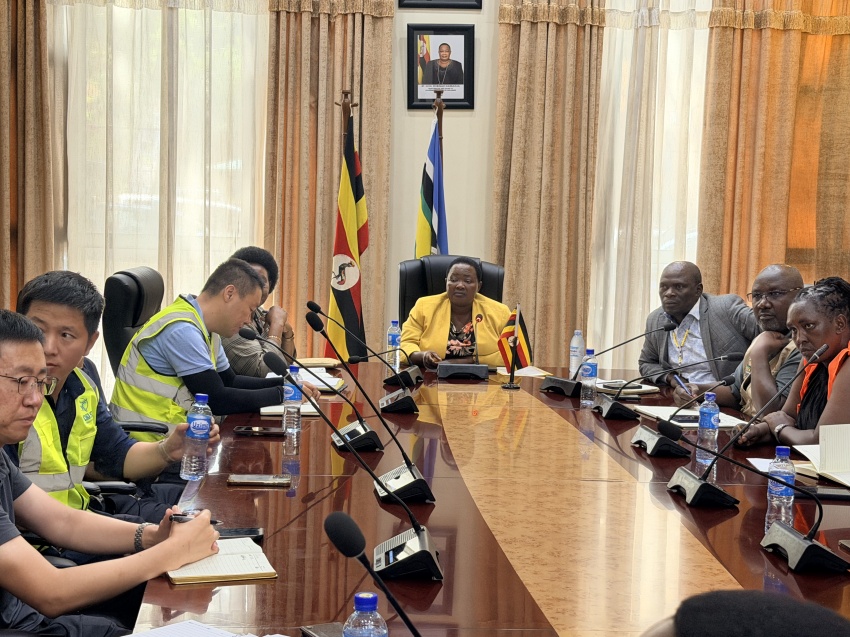
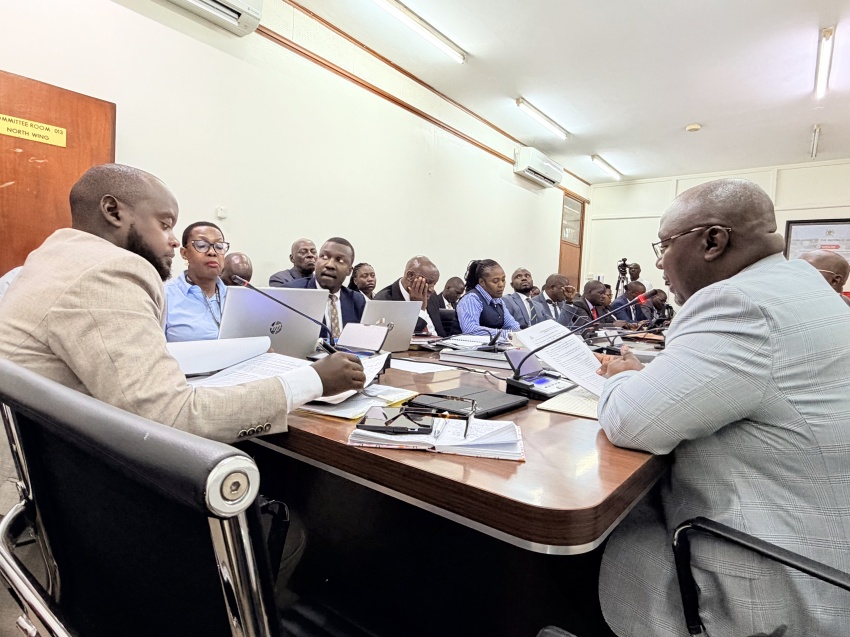
On Friday, KCCA used an orientation meeting with the newly constituted Parliamentary Committee on Presidential Affairs to showcase progress in rebuilding Uganda's capital while making a case for increased government support to sustain the momentum.
Briefing the committee, KCCA Deputy Executive Director Benon Kigenyi painted a picture of a city undergoing one of its biggest infrastructure transformations in decades.
He said KCCA has so far completed 75.13 kilometres of roads under the Kampala City Roads Rehabilitation Project (KCRRP), representing more than 72 percent of the project's 104-kilometre target.
Funded by the African Development Bank, the Global Environment Facility and the Government of Uganda at a cost of US$288 million, the project is not only constructing roads but also modern drainage channels, signalised traffic junctions and employment opportunities for young people and women in the construction sector.
"Our goal is to build a city that works better for everyone, a city with better roads, improved drainage, cleaner neighbourhoods and opportunities for businesses to thrive," Kigenyi told the legislators.
He said another ambitious programme, the US$162.64 million Greater Kampala Metropolitan Area Urban Development Programme (GKMA-UDP) is already reshaping parts of the city through road reconstruction, drainage improvements and redevelopment of public markets.
Nearly 20 kilometres of roads are currently under construction, while modern markets at Usafi, Ggaba and Kamwokya are expected to provide safer and more dignified workplaces for thousands of traders.
Kigenyi said these projects form part of KCCA's broader vision of upgrading more than 325 kilometres of roads across Kampala over the coming years.
He also informed the committee that Government has committed UGX 550 billion for another road improvement programme that will construct 85 kilometres of roads, install street lighting and expand non-motorised transport infrastructure. The project is ongoing.
Beyond roads, the Authority is also investing in solutions to some of the city's oldest challenges.
Following Kiteezi landfill tragedy in 2024, Kigenyi said rehabilitation of the dumpsite has covered at least 40 percent of the site, while a new waste management facility at Buyala is expected to provide a long-term solution to garbage disposal.
To improve cleanliness, KCCA currently cleans 401 roads every day and carries out periodic cleaning on another 54 roads. The Authority also plans to procure additional garbage trucks to strengthen waste collection across the city's parishes.
With Kampala's drainage network stretching about 423 kilometres, including eight primary drainage channels, KCCA is constructing new drains and rehabilitating flood-prone sections to minimise disruptions during heavy rains.
The Authority is also investing in cleaner air by deploying more than 140 air quality monitoring devices across the city, while expanding public sanitation facilities and improving public amenities.
Despite the visible progress, however, the Deputy Executive Director acknowledged that delivering services in a rapidly growing city remains a difficult task.
He cited an ageing fleet of garbage collection and road maintenance equipment, deteriorating office infrastructure in Nakawa and Makindye divisions, solid waste management, rising land compensation costs and inadequate funding as some of the biggest obstacles slowing service delivery.
He told the committee that KCCA requires about UGX 608billion to adequately address these city's growing challenges.
Kigenyi pointed out that some of Kampala's most pressing road challenges are on corridors outside KCCA's direct control. He cited Natete Road, one of the city's most affected roads, which is currently managed by the Ministry of Works and Transport. He said handing over such urban roads to KCCA would strengthen accountability, eliminate delays and allow the Authority to plan and execute maintenance works more efficiently for the benefit of city users.
State Minister for Kampala Capital City and Metropolitan Affairs Kabuye Kyofatogabye agreed that limited funding continues to constrain the Authority's ability to meet public expectations.
He noted that routine drainage maintenance remains one of the most effective ways of preventing floods and said KCCA has intensified desilting and unclogging works ahead of the expected El Niño rains.
Members of Parliament acknowledged the scale of the challenges confronting the Authority and pledged their support.
Committee chairperson Ojara Mapenduzi said Kampala occupies a unique place in Uganda because it serves as the country's political, economic and administrative centre.
"All of us either live in Kampala or around Kampala. We see the challenges you face every day, and as a committee we shall support efforts aimed at improving service delivery," Mapenduzi said.
He also challenged KCCA to strengthen programmes that support street-connected children, saying the capital should become a model for other cities seeking lasting solutions to the problem.
Committee member Rebecca Atukunda said investing in Kampala should remain a national priority because the city is Uganda's gateway to investors, tourists and visitors.
"If there is any institution that deserves adequate funding, it is KCCA because it represents the face of Uganda," she said.
By Geofrey Mutegeki Araali
Communication and Media Relations Officer
News & Announcements
7th, August 2026
7th, August 2026
6th, August 2026
5th, August 2026
3rd, August 2026
30th, July 2026
25th, July 2026
17th, July 2026
15th, July 2026
14th, July 2026







Development partners