

KCCA DEMOLITISH ILLEGAL STRUCTURES AT CENTENARY PARK TO PROTECT KAMPALA FLYOVER PROJECT CORRIDOR
PUBLISHED — 10th, July 2026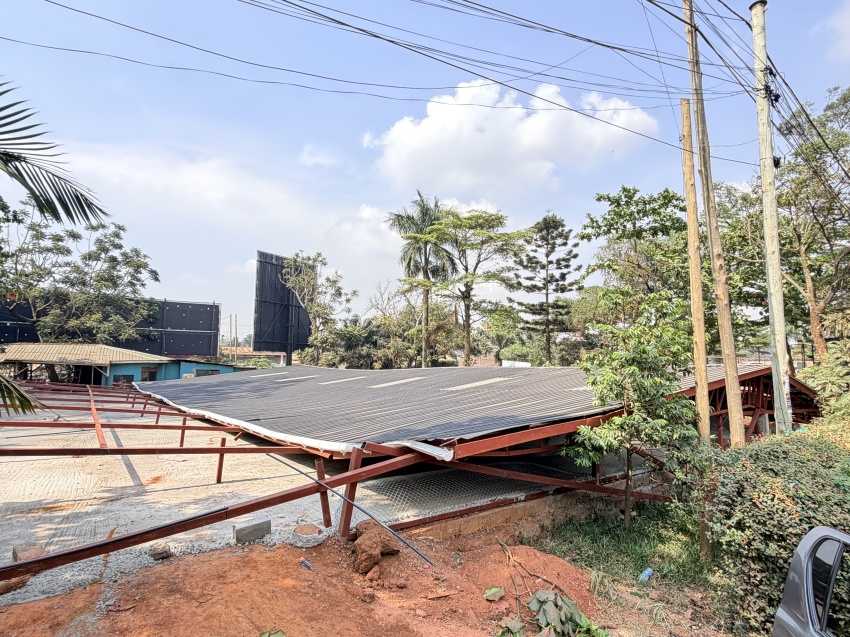
Kampala’s journey towards becoming a more organised, accessible and modern city requires strict adherence to approved plans and development regulations.
Demonstrating its commitment to protecting public infrastructure and enforcing orderly urban growth, Kampala Capital City Authority (KCCA) on 9 July took decisive action against illegal developments within the Kampala Flyover Phase II Project corridor at Centenary Park.
The Authority removed a turf structure and two other unauthorized structures that were being erected along the planned road alignment, safeguarding space reserved for the next phase of a major transport infrastructure project expected to transform mobility in the city.
The enforcement action followed several engagements and notices issued to the developers, giving them opportunities to comply with city planning requirements. In February 2026, KCCA issued a notice when the site had only been graded, and another notice was served in April after construction activities continued without the required approvals. Despite these warnings, the developers proceeded with the works, leaving the Authority with no option but to enforce compliance.
KCCA Director Physical Planning, Vincent Byendaimira, said the intervention demonstrates the Authority’s responsibility to protect public investments and ensure that private developments do not undermine projects designed to benefit the wider population.
“Kampala’s development must be guided by proper planning. The Kampala Flyover Project is a critical public infrastructure investment, and we cannot allow unauthorized developments to interfere with the approved road corridor. Our role is to protect the city’s future and ensure that planned projects are delivered without unnecessary obstacles,” Byendaimira said.
The Kampala Flyover Project is part of government’s efforts to improve traffic management, reduce congestion and enhance connectivity within the city. Phase 2 of the project (Lot II) is scheduled to commence in January 2027, making it essential that all spaces required for construction remain protected and free from encumbrances.
Byendaimira emphasized that KCCA’s enforcement actions are not aimed at frustrating development but ensuring that all developments contribute positively to Kampala’s growth.
“We welcome investment and development in Kampala, but it must be done responsibly. Approval processes exist to ensure that buildings and structures are safe, properly located and do not conflict with public infrastructure. Building without approval puts both private investments and the city’s development plans at risk,” he noted.
For Kampala residents, protecting infrastructure corridors means preserving opportunities for improved transport, reduced travel time and a better-functioning city. KCCA’s intervention reflects the Authority’s broader commitment to ensuring that public projects are not delayed or compromised by unauthorized activities.
The enforcement at Centenary Park is part of KCCA’s wider Development Control programme aimed at preventing illegal construction, protecting road reserves and promoting a planned, sustainable and orderly Kampala.The Authority continues to remind developers and property owners that construction must begin with approval.
“Before you build, get approval. Development must be planned, approved and compliant,” Byendaimira reiterates.
Through firm enforcement and proactive planning, KCCA remains committed to building a Kampala where development works hand-in-hand with public interest, ensuring that today’s decisions create a better city for generations to come.
By Geofrey Mutegeki Araali
Communication and Media Relations Officer
News & Announcements

20th, August 2026
19th, August 2026
19th, August 2026
18th, August 2026
14th, August 2026
14th, August 2026

12th, August 2026
11th, August 2026
11th, August 2026
7th, August 2026







Development partners