

ED BUZEKI LEADS WEYONJE CLEAN-UP IN KISENYI
PUBLISHED — 5th, September 2026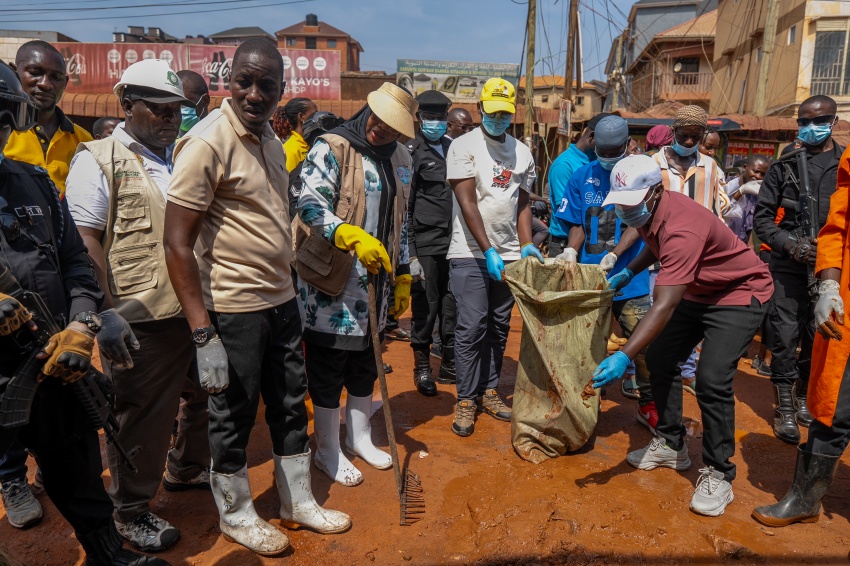
By 8 a.m., Kampala Capital City Authority (KCCA) Executive Director Sharifah Buzeki was in Kisenyi, joining residents who had gathered with brooms, spades and other tools to clean their neighbourhood.
On Saturday, residents, young people and community groups cleared drains and collected waste along Kisenyi, Kakajjo and Erisa roads during KCCA’s weekly Weyonje clean-up exercise.
Among those taking part were also young people popularly known as “ghetto boys” and City Ambiance Scouts from 7Hills, who joined KCCA staff and local leaders in the exercise.
Buzeki who was accompanied by her Deputy Benon Kigenyi commended the residents for their participation and urged them to make cleanliness a daily responsibility.
“We have to keep working together to keep our city clean,” she said.
She urged residents to sort their waste and dispose of it properly, while calling on newly elected Local Council I leaders to mobilise communities for regular cleaning and better waste management.
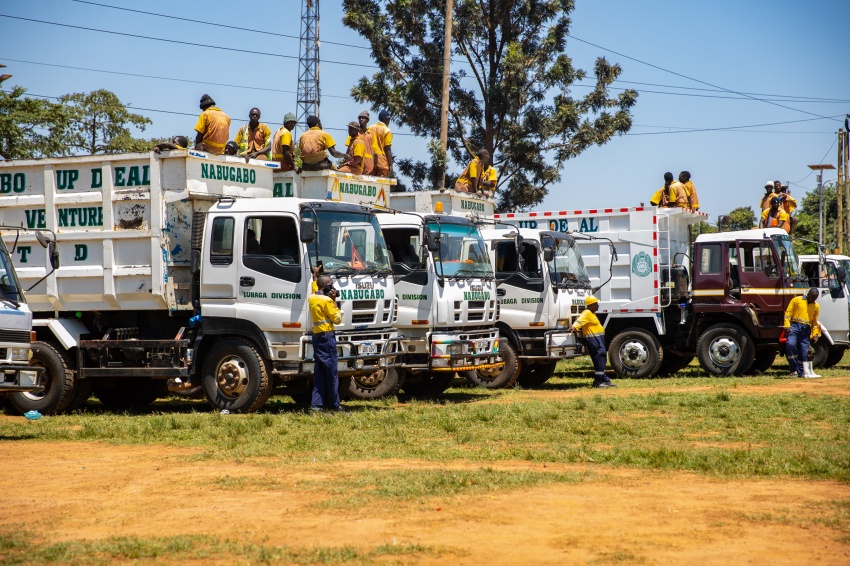
Buzeki also informed residents that Nabugabo Updeal Joint Venture is the contracted waste collection company for the area and encouraged them to work with the service provider by presenting their garbage for collection instead of dumping it in drains and public spaces.
The exercise also provided an opportunity to sensitise residents on waste management in Kisenyi, one of Kampala’s densely populated neighbourhoods with a diverse population, including Somali refugees.
Deputy KCCA Executive Director Benon Kigenyi thanked residents and community groups for taking part, saying their participation showed the importance of working together to improve the city.
“Thank you for embracing the clean-up. Cleaning is key. We always like to work together and ensure we develop Kampala together,” Kigenyi said.
He urged residents to maintain the cleaner environment beyond the weekly exercise.
By Geofrey Mutegeki Araali
Communication and Media Relations Officer
News & Announcements
5th, September 2026
4th, September 2026
3rd, September 2026
2nd, September 2026
1st, September 2026

30th, August 2026
28th, August 2026

25th, August 2026
25th, August 2026
20th, August 2026









Development partners